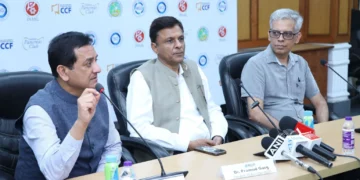














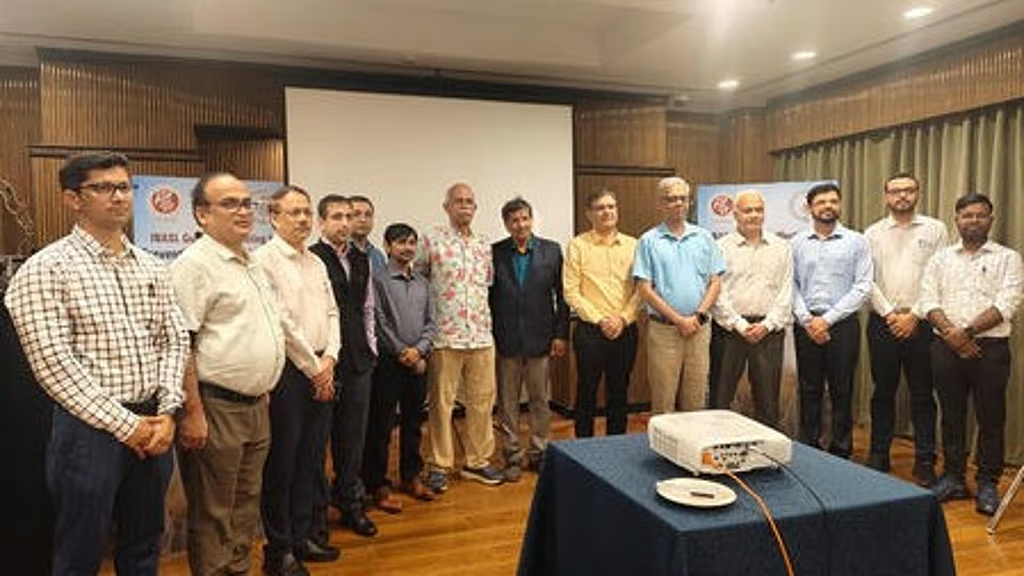
Experts led by Prof. SP Singh met to finalise India’s national MASLD prevention guidelines.
A comprehensive, evidence-based framework for avoiding MASLD at the individual and community levels was the main goal of the expert meeting, which was organized under the auspices of the Indian National Association for the Study of the Liver (INASL).
The burden of MASLD in India, risk factors and phenotypes unique to India, physical activity, healthy eating habits, managing weight and obesity, alcohol and tobacco use, screening techniques, and prevention among high-risk persons were all discussed.
Along with initiatives to address the growing effect of unhealthy eating surroundings and corporate practices, the suggested guidelines also emphasized the significance of community-based prevention and public health interventions.

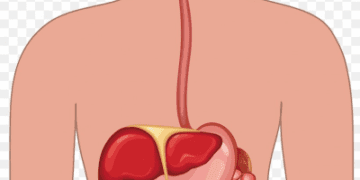
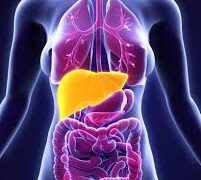
MASLD, formerly known as non-alcoholic fatty liver disease (NAFLD), has become one of the major global public health issues, according to Prof. Singh. Since about one in three people in India are thought to be affected by the illness, prevention is a top medical priority. The growing awareness of metabolic risk factors and fatty liver in children and young adults is especially concerning. According to him, the main goal is to avoid MASLD and its metabolic consequences at an early stage rather than only treating chronic liver disease.
Odisha has a sizable representation on the national task force. The panel consists of at least nine state specialists.Experts emphasized that coordinated efforts involving individuals, families, healthcare providers, schools, communities, and legislators are necessary for an effective preventative strategy. They stated that the INASL guidelines will offer a workable plan for preventing MASLD in India.