








You’ve wiped, scrubbed and sprayed your home—but was it cleaned, sanitised or disinfected? These three may sound similar, but they mean different things.
The truth is that routine cleaning is sufficient for daily home maintenance in the majority of healthy households. When a member of the household is ill, when there has been a specific contamination event, or when someone at home has a compromised immune system and is more susceptible to infection, disinfection becomes even more crucial.
The majority of bacteria and contaminants are eliminated from domestic surfaces by cleaning them with soap, detergent, and water, according to the US Centers for Disease Control and Prevention (CDC). Sanitizing and disinfecting are extra stages employed for various objectives, but in most cases, that is sufficient. What is the real difference, then?
WHAT DOES CLEANING DO?
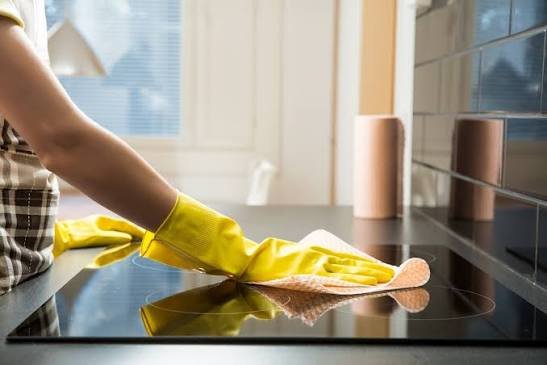
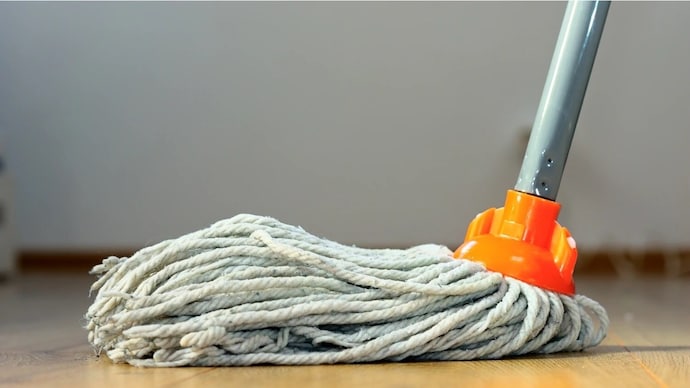
Consider this: you’ve just chopped raw chicken on the kitchen counter, and you need to remove any visible residue before using a sanitizing or cleaning spray. Dirt, food particles, and many bacteria are physically removed from a surface by cleaning. You use soap, detergent, and water to scrub, wash, or wipe them away. Cleaning occurs first since it lessens the quantity of germs that could spread, even though it doesn’t necessarily eliminate every germ.
According to the CDC, dirt and other contaminants might make it more difficult for chemicals used for sanitization or disinfection to reach and destroy germs. Therefore, you might not get the desired results from spraying a disinfectant directly onto a greasy or obviously unclean counter and then wiping it off right away. After cleaning, determine what the surface truly requires.
GERMS ARE REDUCED BY SANITIZING AND KILLED BY DISINFECTING
The confusion starts here. The US Environmental Protection Agency (EPA) states that sanitization lowers bacteria on surfaces to levels that are often regarded as safe under public health guidelines. Viruses are not meant to be killed by surface sanitizers. Contrarily, disinfectants undergo more stringent efficacy testing than sanitizers and are tested to eradicate both bacteria and viruses on hard surfaces.
However, since it depends on the circumstances, this does not imply that disinfection is always preferable. For instance, the CDC states that sanitizing surfaces that come into touch with food after they have been cleaned may be helpful, particularly if they have been contaminated by raw meat, poultry, or their fluids. Infant feeding supplies and other items that come into contact with a baby’s mouth may also require proper sanitization.
When someone in the household is ill or has a compromised immune system and is more susceptible to infection, disinfection becomes more important. For instance, wipe your kitchen counter first if it’s unclean after dinner. On the other hand, clean the surfaces first and use a product appropriate for that purpose to disinfect the high-touch areas if someone in the family has been sick and has touched the bathroom tap and flushed the handle several times. That’s the primary distinction.
Using more chemicals does not necessarily mean a cleaner home.
One key factor when disinfecting is “contact time”—the amount of time a disinfectant needs to remain wet on a surface to work effectively. If you spray a product and wipe it off after just a few seconds, it may not have been left on the surface long enough to kill the germs specified on its label.
The CDC and EPA recommend following the manufacturer’s instructions carefully, including the required contact time. The directions may also explain whether the product needs to be diluted and outline any necessary safety precautions. Most importantly, never mix cleaning products or disinfectants. The CDC specifically warns against mixing household bleach with other cleaners or disinfectants, as this can release dangerous vapours.
Daily sanitising and disinfecting may sound like the best way to keep your home germ-free, but in most cases, it isn’t necessary. The CDC recommends regular cleaning for everyday household maintenance. High-touch areas such as doorknobs, light switches and countertops should be cleaned frequently, while other surfaces generally only need cleaning when they are visibly dirty or when the need arises.
Sanitising is best reserved for situations where there is a specific reason to do so, particularly with certain food-contact surfaces and objects. Disinfecting becomes more important when someone is sick or when there is a greater risk of infection, as it helps eliminate germs that may remain on surfaces.