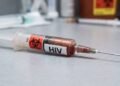












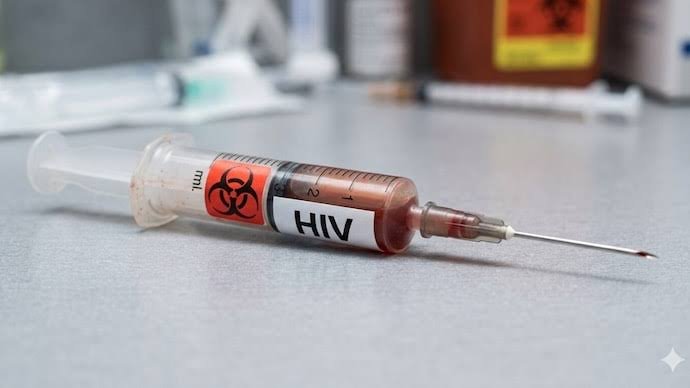
Fiji has declared HIV a national crisis after new data showed a sharp rise in infections, with an estimated one in every 60 adults now living with the virus. The country is facing one of the fastest increases in new HIV infections globally, according to UNAIDS.
Fiji made the declaration after data from the Joint United Nations Programme on HIV/AIDS (UNAIDS) showed that new HIV infections increased 12-fold between 2010 and 2025. An estimated 9,100 people were living with HIV in Fiji in 2025.
The figures also show a major gap in testing and treatment. Only 39 per cent of people living with HIV knew their status, while just 22 per cent were receiving antiretroviral treatment.
The latest estimate means about one in 60 adults in Fiji has HIV, compared with one in 167 five years ago. Among cases where the method of transmission was known, more than half were linked to sexual transmission, while over 42 per cent were associated with injecting drug use.
In response, the Fiji government has announced expanded HIV prevention, testing and treatment programmes. These include wider access to ore-exposure prophylaxis (PrEP), which helps prevent HIV infection, including long-acting prevention options such as injections taken twice a year.
The government also plans to strengthen community engagement and increase efforts to fight stigma and discrimination against people living with HIV.
HIV attacks the body’s immune system, particularly CD4 cells, which help protect the body from infections. Without treatment, HIV can progress to AIDS, the most advanced stage of the infection.
HIV can spread through infected blood, semen, vaginal fluids and breast milk, including from mother to baby. It is not spread through everyday contact such as hugging, kissing or sharing food.
There is currently no cure for HIV, but antiretroviral therapy can control the virus and help people maintain a stronger immune system. The latest crisis declaration is expected to increase attention on early testing, prevention and access to treatment across Fiji.
For more health-related news