











A new study from Norway has found that nearly half of adults who survived childhood cancer experience symptoms of depression or anxiety later in life, highlighting the need for long-term support after cancer treatment ends.
A study of 132 adults aged 18 to 40 who survived childhood cancer has found high levels of mental health, fatigue and cognitive problems. Researchers from NTNU, Oslo University Hospital and St. Olav’s Hospital say childhood cancer survivors may need medical and psychological support well beyond the age of 18.
The research found that 49% of survivors had clinical symptoms of depression, while 41% had clinical symptoms of anxiety. About 43% reported significant fatigue, and 28% experienced clinically relevant difficulties with cognitive functions such as concentration, planning and completing tasks.
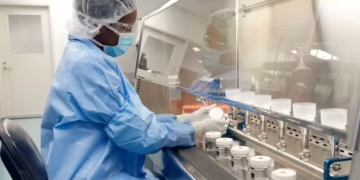
The study focused on people who had survived childhood cancer, including acute leukemia, the most common form of cancer in children. Treatment for acute leukemia can last around two years and often involves intensive chemotherapy and long periods in hospital.
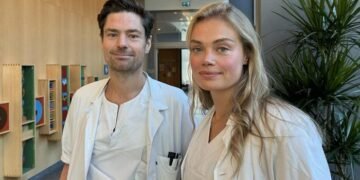
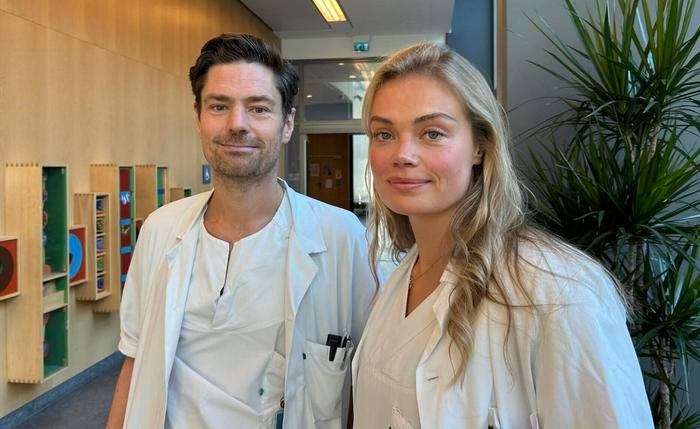
“Decades ago, all children who developed acute leukemia died. Today, we are actually able to save the lives of more than 90% of them. The fact that we can save so many is a major medical success story,” said Magnus Aasved Hjort, an associate professor of pediatric oncology at NTNU and physician at St. Olav’s Hospital.
However, researchers say survival can come with challenges later in life. Young children may spend important years of their social, emotional and cognitive development in hospital while their classmates and friends continue with school and activities.
“It is surprising that so many experience anxiety and depression,” said Anna Franzén, a medical student at NTNU involved in the research.
According to the researchers, treatment itself, along with long hospital stays, may contribute to difficulties with mental health and cognitive functioning.
Hjort says follow-up care currently ends when survivors turn 18 in Norway. He believes this should change.
“What we have identified here is a need for more follow-up so that these people have the opportunity to participate in society on an equal footing with others,” he said.
He supports establishing dedicated clinics that can provide lifelong follow-up for childhood cancer survivors.
For more health-related news