

















A study by researchers from Chennai’s Madras Diabetes Research Foundation and the University of Reading, UK, suggests that a healthy diet may help reduce the impact of genetic risk factors linked to high cholesterol in Indian adults.
A family history of high cholesterol does not necessarily mean a person will develop the condition. A new study has found that diet quality may influence how genetic risk affects cholesterol levels, highlighting the importance of healthy eating in preventing metabolic and cardiovascular diseases.
Published in the journal PLOS One in October 2026, the research analysed 1,020 adults aged 25 to 80 years from the Chennai Urban Rural Epidemiology Study. Researchers examined genetic variations in the TCF7L2 and FTO genes, which have previously been linked to diabetes and metabolic disorders.
Healthy Diet May Help Offset Genetic Risk
The study found that people with a higher genetic risk who followed a poor-quality diet had significantly higher levels of total cholesterol and LDL, commonly known as bad cholesterol.
However, this difference was not observed among participants who followed medium- or high-quality diets. The findings suggest that healthy eating may help reduce the impact of certain genetic risk factors on cholesterol levels.
“Our genes need not determine our metabolic destiny,” said Dr V Mohegan, chairperson of the Madras Diabetes Research Foundation and a co-author of the study.
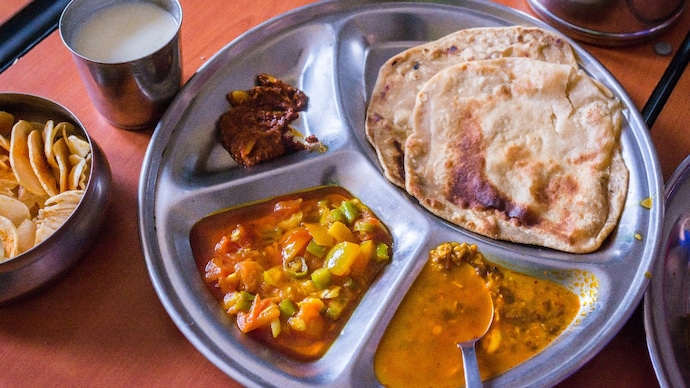
Researchers assessed diet quality using the Indian Diet Quality Score, which considers eight food groups, including pulses, fruits, vegetables, dairy products, rice, fats, sugar, salt, poultry and eggs.
India Faces Growing Cholesterol Burden
The findings come amid rising concerns about cardiometabolic diseases in India. A national study by the Indian Council of Medical Research and MDRF found that 87.3% of Indian adults have dyslipidaemia, a condition involving abnormal levels of blood lipids that increases cardiovascular risk.
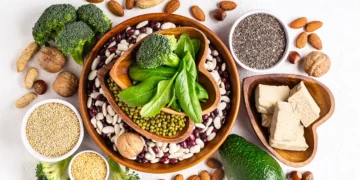
Researchers recommend eating more fruits, vegetables and pulses while limiting refined carbohydrates, added sugar, salt and unhealthy fats.
K S Vimaleswaran, a senior scientist at the University of Reading, emphasised that although people cannot change their inherited genes, they can improve their dietary habits.
More Research Needed
The researchers cautioned that the study was cross-sectional and cannot prove that a healthy diet reverses genetic risk. Further long-term studies and clinical trials are needed to confirm the findings.
For people with a family history of high cholesterol, the message is encouraging: a balanced diet, regular physical activity and appropriate health checks can support better cardiovascular health, even when genetic risk is present.
For more health-related news