
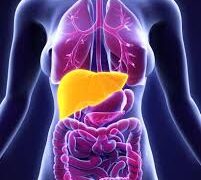



















A new study suggests that artificial intelligence (AI) could help doctors identify patients with non-alcoholic fatty liver disease (NAFLD) who are more likely to develop type 2 diabetes. Researchers developed a machine-learning model using routine clinical data from patients treated at two tertiary hospitals in China. The model achieved an accuracy measure, known as the area under the curve (AUC), of 0.89 in an independent validation group.
Published findings highlight the potential of AI to support earlier diabetes risk assessment and more personalised patient care. However, further research is needed before the technology can be used routinely in hospitals.
Five Routine Health Measures Help Predict Risk
NAFLD, also increasingly known as metabolic dysfunction-associated steatotic liver disease (MASLD), is linked to metabolic problems and a higher risk of developing type 2 diabetes. Identifying high-risk patients early could help doctors plan closer monitoring and preventive care.
The researchers analysed patient records and tested seven machine-learning methods, including XGBoost, random forest and artificial neural networks. They identified five key factors associated with future diabetes development: waist circumference, fasting blood glucose, triglyceride levels, family history of diabetes and the neutrophil-to-lymphocyte ratio, a marker of inflammation.
These measures are generally available through routine medical assessments, potentially making the model easier to use than tools requiring specialised tests.
XGBoost Shows Promising Results
Although an artificial neural network performed best during internal validation, the XGBoost model delivered the strongest overall results in the independent external cohort. It achieved an AUC of 0.99 in the training dataset and 0.89 in external validation.
The researchers also used SHAP analysis, a method that explains how individual factors influence AI predictions, to improve the model’s interpretability. Additional analyses supported the consistency of the findings.
More Research Needed Before Clinical Use
The study has limitations because it retrospectively examined patients with biopsy-confirmed fatty liver disease at only two Chinese hospitals. Its findings may not apply equally to all patient populations.
The model also did not estimate diabetes risk at specific time points, such as one, three or five years. Researchers said prospective, multicentre studies with standardised follow-up are needed to establish its reliability and clinical value.
If further validated, the tool could help doctors identify patients who may benefit from closer monitoring and earlier preventive measures. For now, it remains a promising research tool rather than a proven replacement for standard diabetes screening.
For more health-related news