

















Exposure to wildfire smoke during the second and third trimesters of pregnancy may increase the risk of asthma in children, a new study suggests.
Exposure to wildfire smoke and air pollution during pregnancy may increase the chances of children developing asthma in their early years, according to new research presented at the American College of Allergy, Asthma, and Immunology (ACAAI) 2026 Annual Scientific Meeting.
The study, conducted by researchers at the University of California, Davis, examined 1,097 children born in Northern California. It focused on the impact of major wildfires that affected the region between 2017 and 2020.
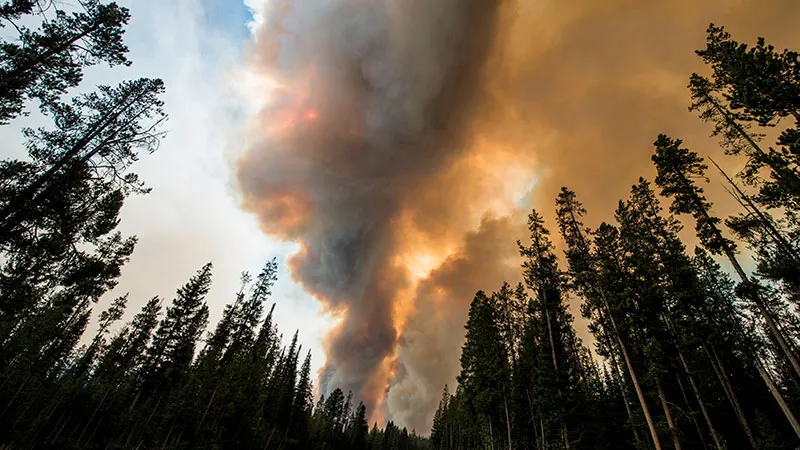
 Researchers found that children whose mothers experienced higher levels of air pollution during the second and third trimesters of pregnancy were significantly more likely to develop asthma. The strongest association was observed among children whose mothers were exposed to wildfire-related pollution between 28 and 36 weeks of pregnancy.
Lead author Dr Ahn P. Nguyen, an allergist and immunologist at the University of California, Davis, said the study aimed to identify the most sensitive stages of pregnancy when wildfire smoke could affect a child’s respiratory health.
“Knowing which months of pregnancy may matter most could help doctors offer pregnant women clearer advice during wildfire season,” Nguyen said.
The researchers measured exposure to fine particulate matter (PM2.5), a major component of wildfire smoke, and examined its relationship with asthma and wheezing. They also considered factors such as the child’s age, gender, family history of asthma and maternal smoking.
According to the researchers, the second and third trimesters are important stages of fetal lung development, when airways and lung structures continue to develop.
Dr Alexander Rabin, a clinical associate professor at the University of Michigan, who was not involved in the research, said air pollution during pregnancy could potentially disturb normal lung development through inflammation or oxidative stress.
However, he stressed that the study does not prove that wildfire smoke directly causes asthma. Further research involving larger groups and longer follow-up periods is needed.
Rabin advised pregnant women to monitor local air quality, avoid outdoor activities during heavy smoke events and use effective indoor air filtration.
The findings highlight the importance of protecting pregnant women from wildfire pollution to support healthier lung development in children.
For more health-related news