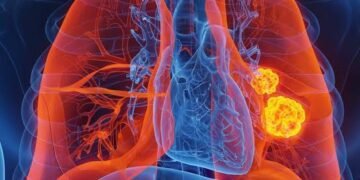

















Patients exposed to both cigarette smoke and biomass fuel smoke face a higher risk of severe COPD complications, including frequent exacerbations, reduced lung function and pulmonary hypertension, according to a new study.
A study published in the journal Tobacco Induced Diseases has found that people with chronic obstructive pulmonary disease (COPD) exposed to both cigarette and biomass smoke experience worse health outcomes than those exposed to either source alone.
The researchers analyzed 319 patients with stable COPD treated at two tertiary care centres in Türkiye between January 2024 and August 2025. The participants included 159 cigarette smokers, 80 people exposed to biomass smoke and 80 exposed to both sources.

The findings showed that patients exposed to both types of smoke had poorer lung function despite being younger. Their average lung capacity, measured by forced expiratory volume in one second (FEV1), was 48.27% of the predicted value, compared with 55.28% among cigarette smokers and 55.62% among biomass-exposed patients.
These patients also experienced greater breathlessness and more frequent disease flare-ups. The combined exposure group had an average of 2.18 COPD exacerbations annually. More importantly, their odds of experiencing severe exacerbations were 89% higher than those of cigarette smokers alone.
The study also highlighted a higher risk of respiratory complications. Pulmonary hypertension was reported in 22.5% of patients with combined exposure, compared with 10.1% of cigarette smokers and 8.75% of biomass-exposed patients. Bronchiectasis and dependence on long-term oxygen therapy were also more common in the combined exposure group.
The researchers highlighted the importance of considering both cigarette smoking and household biomass smoke exposure when assessing COPD patients. Biomass smoke can come from fuels such as wood, coal and crop waste used for cooking and heating.
However, the study’s retrospective design means that it cannot establish a direct cause-and-effect relationship. Further large-scale studies are needed to confirm the findings.
The results underline the need to reduce exposure to both tobacco and household smoke to help protect respiratory health and improve COPD management.
For more health-related news