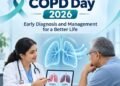
















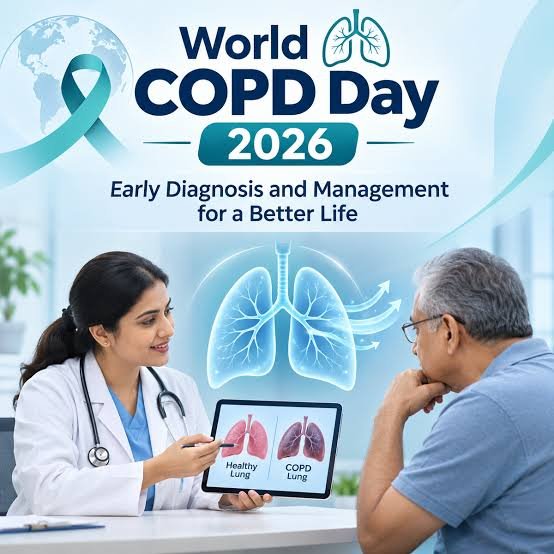
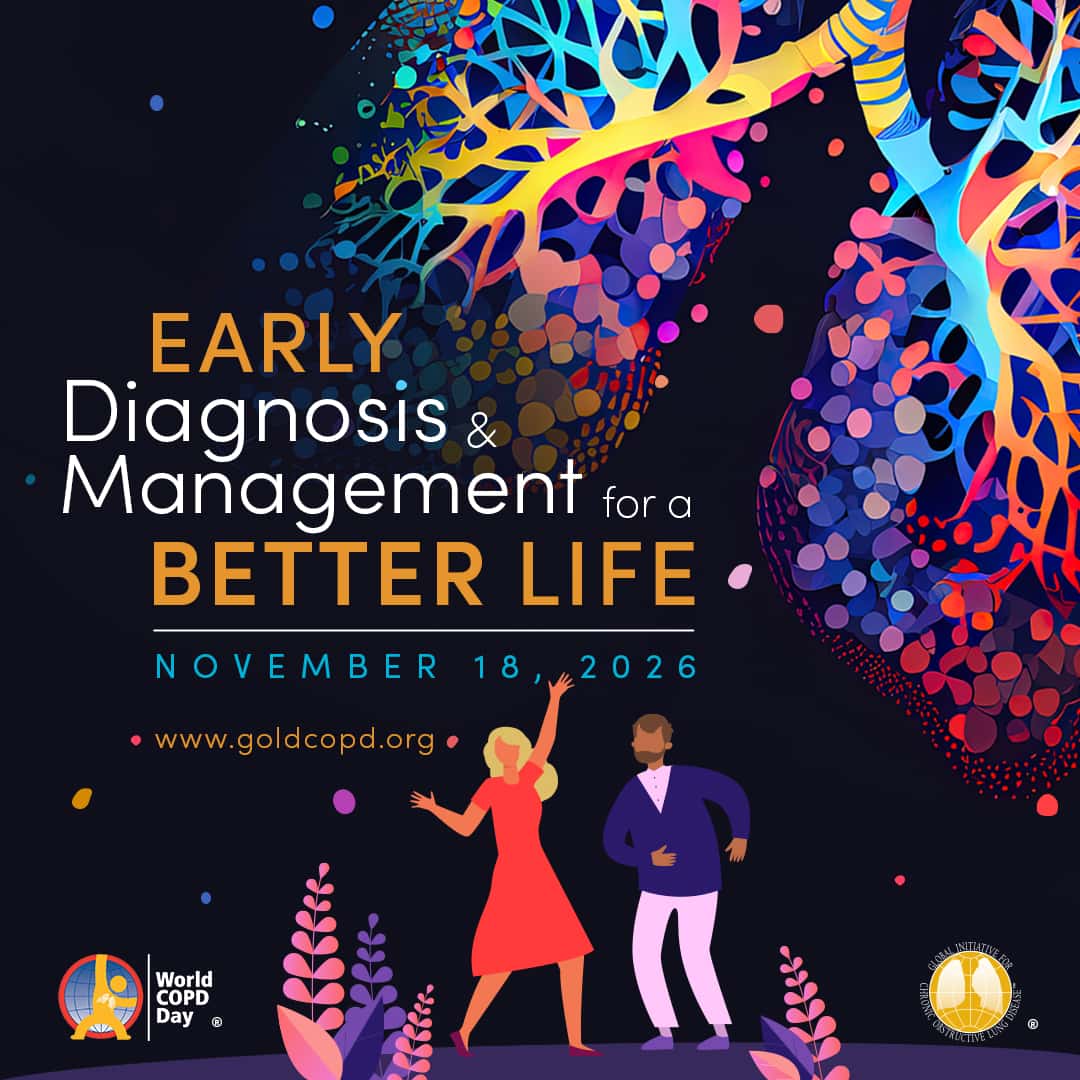
World COPD Day 2026 is being observed on November 18 to raise awareness about Chronic Obstructive Pulmonary Disease (COPD) and highlight the importance of early diagnosis and proper management. This year’s theme is “Early Diagnosis and Management for a Better Life,” focusing on reducing delayed diagnosis and improving the quality of life of patients.
The annual campaign is led by the Global Initiative for Chronic Obstructive Lung Disease (GOLD), in collaboration with healthcare professionals and patient groups worldwide. First observed in 2002, World COPD Day now involves awareness activities in more than 50 countries.
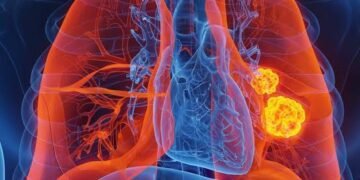
COPD is a long-term lung disease that makes breathing difficult. Although it is preventable and treatable, many people remain undiagnosed or receive a diagnosis only when the disease reaches an advanced stage.
According to GOLD, delayed diagnosis is linked to several factors, including a lack of awareness about symptoms, limited healthcare resources and insufficient training among medical professionals. Tobacco smoking is a major risk factor, but environmental pollution and other exposures can also contribute to the development of the disease.
This year’s campaign highlights the importance of identifying early warning signs and precursor conditions, including pre-COPD and preserved ratio impaired spirometry (PRISm). Recognizing these conditions can help healthcare professionals identify people at risk and begin timely care.
GOLD emphasises that early diagnosis allows doctors to provide appropriate treatment, including bronchodilator therapy, smoking cessation support and measures to reduce exposure to risk factors. These interventions can help preserve lung function, reduce symptoms and prevent future disease flare-ups.
The organisation has also called for wider access to spirometry, a key breathing test used to diagnose COPD. It has urged healthcare systems to improve respiratory health training for medical staff and strengthen diagnostic facilities.
Governments and policymakers are being encouraged to reduce smoking rates, improve air quality, promote clean energy and strengthen healthcare infrastructure.
Although COPD currently has no cure, early detection, timely treatment and better public awareness can help people manage the condition and lead healthier live.
For more health-related news