
















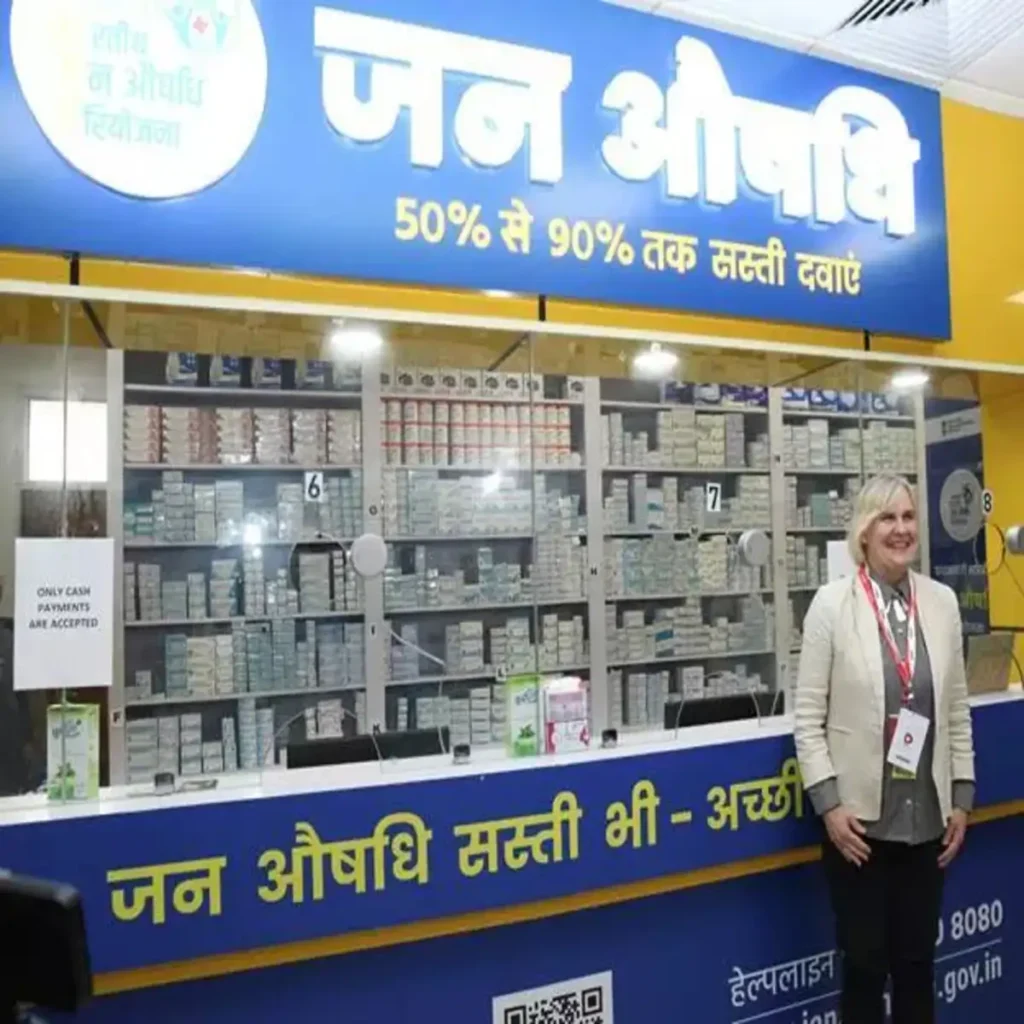
India’s network of Jan Aushadhi Kendras has witnessed remarkable growth over the past decade, expanding from just 84 functional centres in 2014 to more than 19,200 outlets in 2026. The expansion reflects the government’s continued efforts to make affordable and quality generic medicines accessible to people across the country, particularly those from low- and middle-income households.
According to the Ministry of Chemicals and Fertilisers, the rapid growth of the Pradhan Mantri Bhartiya Janaushadhi Pariyojana (PMBJP) has transformed access to healthcare by ensuring the availability of cost-effective medicines in both urban and rural regions. The initiative has emerged as one of the government’s most significant healthcare interventions, helping millions of citizens reduce their out-of-pocket medical expenses.
A major achievement of the programme has been its reach into remote and underserved areas. The North Eastern states, which had only one Jan Aushadhi Kendra in 2014, now have more than 400 centres. This expansion has helped bridge healthcare accessibility gaps and ensured that affordable medicines are available in regions where access to healthcare services has traditionally been limited.
Several states have recorded significant growth under the scheme. Uttar Pradesh leads the country with more than 4,000 Jan Aushadhi Kendras, followed by Kerala, Karnataka, Tamil Nadu, Bihar, West Bengal, Gujarat, Odisha, Rajasthan, and Maharashtra. The increasing number of centres across states demonstrates the widespread adoption of the initiative and its growing importance in India’s healthcare ecosystem.
The national capital has also seen substantial progress. The number of Jan Aushadhi Kendras in Delhi has increased dramatically from only a handful of outlets in 2014 to several hundred centres today. Similar growth trends have been recorded in Jammu and Kashmir, Punjab, Himachal Pradesh, and other regions, reflecting the programme’s nationwide reach.
One of the key benefits of the Jan Aushadhi initiative is the affordability of medicines. Generic drugs sold through these centres are available at significantly lower prices compared to branded alternatives while maintaining prescribed quality standards. The government estimates that citizens have collectively saved more than ₹40,000 crore on healthcare expenses through purchases made at Jan Aushadhi Kendras. These savings have provided considerable financial relief to families dealing with long-term treatments and chronic illnesses.
The expansion of Jan Aushadhi Kendras is part of a broader effort to strengthen India’s pharmaceutical and healthcare infrastructure. Alongside improving medicine accessibility, the government has introduced policies aimed at boosting domestic pharmaceutical manufacturing, reducing dependence on imports, and encouraging innovation in the healthcare sector. These initiatives are intended to make healthcare more affordable and self-reliant in the long term.
Healthcare experts believe that the continued growth of the Jan Aushadhi network can play a crucial role in improving public health outcomes. By providing affordable medicines closer to communities, the scheme helps ensure better treatment adherence and reduces the financial burden associated with healthcare. As the network continues to expand, it is expected to further strengthen access to essential medicines and contribute to the goal of universal healthcare coverage across India.
The steady rise from 84 centres in 2014 to over 19,200 in 2026 highlights the scale and impact of the initiative. With its focus on affordability, accessibility, and public welfare, the Jan Aushadhi programme has become a significant component of India’s healthcare delivery system and continues to benefit millions of citizens nationwide.