












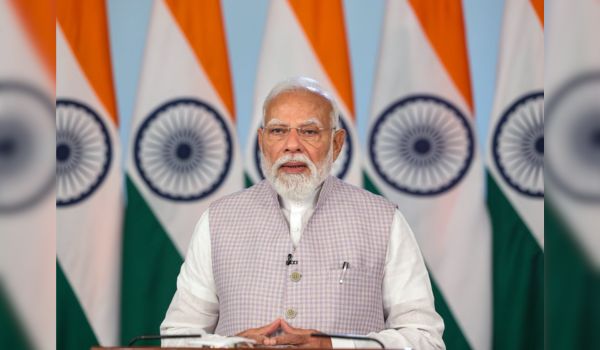
Prime Minister Narendra Modi has said that India’s healthcare system has witnessed significant progress in recent years, with major improvements in medical infrastructure, healthcare accessibility, and educational capacity. Addressing a post-Budget webinar on the theme “Sabka Saath, Sabka Vikas – Fulfilling Aspirations of People,” he emphasized that strengthening healthcare remains a central pillar of the government’s vision for inclusive and sustainable development.
The Prime Minister noted that the country is increasingly focusing on preventive and holistic healthcare rather than relying solely on treatment-based approaches. He highlighted the expansion of medical infrastructure across India, pointing out that hundreds of new medical colleges have been established in different districts over the past few years. These institutions are helping to enhance healthcare services while also creating more opportunities for medical education and training.
According to Modi, initiatives such as the Ayushman Bharat programme and Ayushman Arogya Mandirs have played a crucial role in extending healthcare services to rural and underserved areas. These efforts have improved access to affordable medical care and strengthened the healthcare delivery system at the grassroots level. He said the government’s objective is to ensure that quality healthcare reaches every citizen, regardless of geographic location.
The Prime Minister also underlined the growing international recognition of India’s traditional wellness systems. He observed that practices such as yoga and Ayurveda are gaining popularity across the world and contributing to a broader shift toward integrated and holistic health management. He noted that these traditional systems complement modern healthcare and enhance India’s global standing in the wellness sector.
A major focus of his address was the emerging care economy and its potential to generate employment. Modi pointed out that the demand for caregivers and healthcare professionals is rising globally due to ageing populations and increasing healthcare needs. He said this trend presents significant opportunities for India’s youth, particularly through skill-based training programmes that can prepare them for employment in healthcare and caregiving services. He urged experts and stakeholders to develop innovative training models that align with both domestic and international workforce requirements.
The Prime Minister also stressed the importance of technology in expanding healthcare access. He highlighted the role of telemedicine in connecting patients with healthcare providers, especially in remote regions where medical facilities may be limited. While acknowledging the progress already made, he called for greater public awareness and user-friendly digital platforms to ensure wider adoption of telemedicine services.
In addition to healthcare, Modi spoke about the importance of research and innovation in driving India’s future growth. He advocated the creation of a strong research ecosystem that encourages experimentation, supports young innovators, and promotes collaboration between educational institutions and industry. Such partnerships, he said, would help prepare students for real-world challenges and strengthen India’s position as an innovation-driven economy.
Concluding his remarks, the Prime Minister expressed confidence that discussions and recommendations emerging from the webinar would contribute to the effective implementation of healthcare initiatives announced in the Union Budget. He reiterated that investments in healthcare, skills, education, and research are essential for building a healthier, more resilient, and future-ready India.