














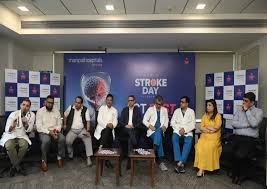
World Stroke Day programme in Kolkata raises awareness about stroke warning signs, prevention and the importance of immediate medical attention to reduce long-term disability.
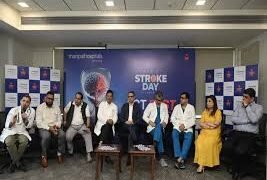
Manipal Hospitals EM Bypass and Mukundapur organised a stroke awareness programme in Kolkata on 29 October 2026 to mark World Stroke Day. The initiative focused on educating people about early stroke symptoms, preventive healthcare and the importance of timely medical treatment to reduce the risk of permanent disability.
The programme brought together leading neurological specialists, including Dr. Jayanta Roy, Director and Head of Neurology at Manipal Hospitals Mukundapur; Dr. Amlan Mandal, Consultant and Head of Neurology at Manipal Hospitals EM Bypass; Dr. Sukalyan Purkayastha, Director and Senior Consultant, Neurointervention and Endovascular Surgery, Manipal Hospitals East Region; and Dr. Nirmalya Roy, Consultant, Neuroradiology, Manipal Hospitals EM Bypass.
BE FAST: Know the Warning Signs
A major highlight of the programme was the BE FAST approach, which helps people recognise the early signs of a stroke. The acronym stands for Balance, Eyes, Face, Arms, Speech and Time.
Sudden loss of balance, blurred vision, facial drooping, weakness in one arm and difficulty speaking are important warning signs. Doctors stressed that anyone experiencing these symptoms should receive emergency medical attention without delay.
Dr. Jayanta Roy said, “Stroke is a medical emergency where every minute matters.” He emphasised that recognising symptoms early and seeking immediate medical assessment can reduce brain damage and improve recovery.The specialists also discussed transient ischaemic attacks (TIAs), often called warning strokes. Although symptoms may disappear within a short time, a TIA requires urgent medical evaluation as it can indicate a higher risk of a future stroke.
Focus on Prevention and Timely Treatment
Dr. Amlan Mandal highlighted that stroke can affect younger people as well as older adults, making awareness and regular health check-ups important across all age groups.
Dr. Sukalyan Purkayastha stressed the need to control risk factors such as high blood pressure, diabetes and high cholesterol. Smoking, obesity, physical inactivity and sleep apnoea were also identified as contributing factors.
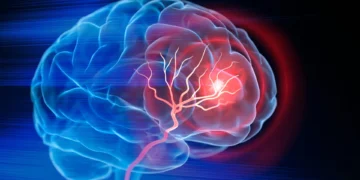
Dr. Nirmalya Roy highlighted the importance of the principle ‘time is brain’, noting that approximately 20 million brain cells may be lost every minute during a major ischaemic stroke.
The programme encouraged people to follow healthy lifestyles, maintain regular health assessments and seek immediate medical care when stroke symptoms appear.
For more health-related news