














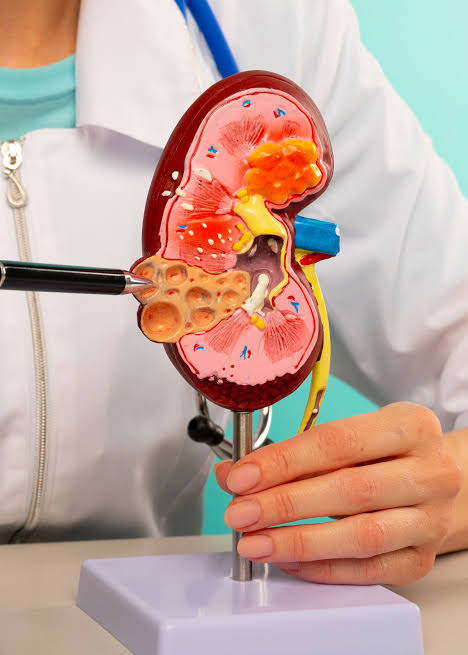
Kidney disease is often described as a “silent” health condition because it can progress for years without causing noticeable symptoms. Medical experts warn that many people may experience significant kidney damage before they realize anything is wrong, making early detection and regular health screenings crucial.
The kidneys perform several essential functions, including filtering waste products from the blood, regulating fluid balance, controlling blood pressure, and maintaining healthy levels of minerals and electrolytes. However, these organs possess a remarkable ability to compensate for damage. Even when kidney function begins to decline, the remaining healthy tissue can continue performing necessary tasks, masking the problem in its early stages.
According to health experts, chronic kidney disease (CKD) often develops gradually. During the initial phases, individuals may feel completely normal and continue with their daily routines without any indication of a problem. As a result, the disease frequently goes undiagnosed until it reaches an advanced stage.
Several factors can increase the risk of developing kidney disease. Diabetes and high blood pressure remain the leading causes worldwide. Other risk factors include obesity, smoking, heart disease, a family history of kidney disorders, recurrent kidney infections, and prolonged use of certain medications that can affect kidney function.
When symptoms eventually appear, they are often vague and can easily be mistaken for other health conditions. Common warning signs may include persistent fatigue, swelling in the feet and ankles, changes in urination patterns, difficulty concentrating, muscle cramps, nausea, loss of appetite, and unexplained itching. In more advanced stages, patients may experience shortness of breath, severe fluid retention, and complications affecting multiple organs.
One of the major challenges in managing kidney disease is that routine blood and urine tests are often the only reliable way to detect it early. Doctors typically assess kidney health through measurements such as estimated glomerular filtration rate (eGFR), serum creatinine levels, and urine protein tests. These screenings can identify declining kidney function long before symptoms become apparent.
Medical professionals emphasize that prevention and early intervention can significantly slow disease progression. Maintaining healthy blood pressure and blood sugar levels, staying physically active, eating a balanced diet, limiting excessive salt intake, avoiding tobacco use, and staying adequately hydrated can help protect kidney health. Individuals with diabetes, hypertension, or a family history of kidney disease are especially encouraged to undergo regular checkups.
Experts also caution against the excessive use of painkillers and certain over-the-counter medications without medical supervision, as prolonged use can contribute to kidney damage in some individuals. Regular consultation with healthcare providers is recommended for those taking long-term medications.
The silent nature of kidney disease underscores the importance of awareness and preventive healthcare. Since symptoms may not appear until significant damage has already occurred, routine screening remains one of the most effective tools for protecting kidney function and reducing the risk of kidney failure. Early diagnosis allows for timely treatment, lifestyle modifications, and better long-term outcomes, helping individuals maintain their quality of life and avoid serious complications.