




















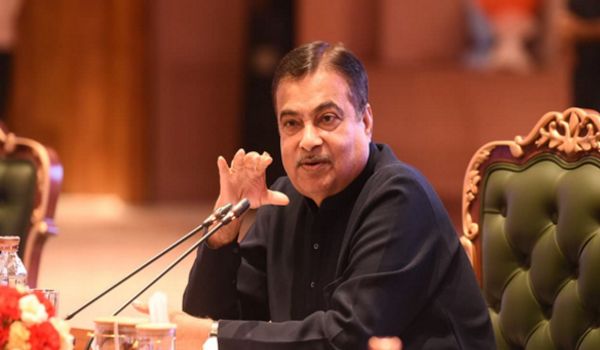
Union Minister Nitin Gadkari has said that India’s healthcare sector has undergone a significant transformation under the leadership of Prime Minister Narendra Modi, citing major improvements in healthcare access, affordability, digital services, and public health infrastructure over the past decade.
Speaking on the achievements of the government’s healthcare initiatives, Gadkari emphasized that several flagship programs have helped expand medical services to millions of citizens, particularly those in underserved and rural regions. He noted that the government’s focus has been on creating a healthcare system that is more inclusive, accessible, and capable of meeting the needs of a rapidly growing population.
According to the minister, one of the most impactful developments has been the expansion of digital healthcare services. Platforms such as e-Sanjeevani have enabled patients to access medical consultations remotely, reducing geographical barriers and improving access to healthcare professionals. Telemedicine services have become especially important for people living in remote areas where specialist medical facilities are limited.
Gadkari also highlighted the role of the Swachh Bharat Mission in strengthening preventive healthcare outcomes. By promoting sanitation, cleanliness, and improved hygiene practices, the initiative has contributed to reducing health risks associated with poor sanitation and has helped create healthier living environments across the country. He said that healthcare improvements must go beyond hospitals and treatment facilities and include preventive measures that enhance overall public well-being.
The minister stated that the government’s efforts have focused on building a holistic healthcare ecosystem that integrates medical infrastructure, digital innovation, preventive healthcare, and social welfare programs. Such an approach, he said, has helped ensure that quality healthcare services reach wider sections of society, including vulnerable and economically disadvantaged communities.
Meanwhile, Union Commerce and Industry Minister Piyush Goyal also highlighted India’s growing role in global healthcare initiatives. He noted that the country is now leading several of the world’s largest healthcare programs and credited policy reforms and sustained investments for strengthening the healthcare delivery system. According to Goyal, the guiding principle behind these initiatives has been the belief that a medical emergency should not push families into financial distress.
Over the past decade, the government has introduced several large-scale healthcare measures aimed at expanding coverage and improving medical access. These include investments in healthcare infrastructure, digital health services, insurance-based support programs, and initiatives designed to increase the availability of doctors and healthcare professionals. Healthcare reforms have also focused on improving affordability while leveraging technology to bridge gaps in service delivery.
Experts note that India’s healthcare landscape has experienced substantial changes through a combination of policy initiatives, technological advancements, and increased public investment. The continued emphasis on digital health, preventive care, and healthcare accessibility is expected to play a crucial role in addressing future health challenges and ensuring broader healthcare coverage for citizens.
As healthcare demands continue to evolve, policymakers believe that sustained investments in infrastructure, innovation, and public health programs will be essential for building a resilient healthcare system capable of serving India’s diverse population.