



















A recent study has sparked interest in the medical community by suggesting that certain antidepressants and other non-opioid medications could offer effective pain relief while carrying a lower risk of addiction than traditional opioid-based treatments.
The research comes at a time when healthcare systems worldwide are seeking safer approaches to pain management amid concerns about opioid dependence and overdose-related deaths. While opioids remain an important treatment option for severe and acute pain, experts are increasingly exploring alternatives that can reduce reliance on these powerful medications.
The study, conducted by researchers at the University of California, San Francisco (UCSF), reviewed evidence on medications commonly used to treat a range of pain conditions encountered in emergency departments. The findings indicate that antidepressants, particularly serotonin-norepinephrine reuptake inhibitors (SNRIs), along with other non-opioid drugs, may provide meaningful relief for certain types of pain without the same addiction risks associated with opioids.
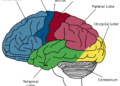
Researchers explained that antidepressants can influence the way the brain processes pain signals. These medications affect neurotransmitters such as serotonin and norepinephrine, which play roles not only in mood regulation but also in pain perception. By modifying these pathways, antidepressants may help reduce pain sensitivity and improve overall patient comfort.
The study identified several non-opioid treatment options that could be considered for common conditions including back pain, headaches, chest pain, abdominal pain, and certain musculoskeletal injuries. Alongside antidepressants, researchers highlighted medications such as nonsteroidal anti-inflammatory drugs (NSAIDs), acetaminophen, and ketamine as valuable tools in a broader pain-management strategy.
Importantly, the researchers did not suggest that antidepressants should completely replace opioids. Instead, they advocated for a more personalized approach in which physicians select treatments based on a patient’s specific condition, medical history, and risk factors. Opioids may still be necessary for some individuals, particularly those experiencing severe pain that does not respond to alternative therapies.
Medical experts note that some antidepressants are already prescribed for chronic pain conditions such as fibromyalgia, neuropathic pain, and arthritis-related discomfort. Their use in pain management is therefore not entirely new, but growing evidence may encourage broader consideration of these medications in appropriate clinical settings.
The findings also reflect a broader shift toward multimodal pain management, where doctors combine different therapies to achieve effective relief while minimizing the risks associated with long-term opioid use. This strategy can include medications, physical therapy, lifestyle interventions, and psychological support depending on the patient’s needs.
While further clinical research is needed to determine which patients benefit most from antidepressant-based pain treatments, the study adds to a growing body of evidence supporting safer and more individualized approaches to pain care. As healthcare providers continue to balance effective pain relief with addiction prevention, antidepressants may emerge as an increasingly important component of modern pain-management strategies.