















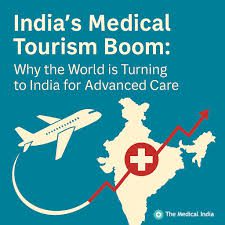
India is strengthening its position as a global hub for medical and wellness tourism by combining advanced healthcare services with supportive policies, digital platforms, and traditional healing systems. The government’s strategy focuses on creating an integrated ecosystem that offers both modern medical treatment and holistic wellness experiences to international visitors.
A key aspect of this effort is institutional coordination through the National Medical and Wellness Tourism Board, which brings together stakeholders from government, healthcare, and industry. This collaborative approach is designed to streamline services and ensure consistent standards across the sector, helping India compete globally in medical value travel.
To make access easier for foreign patients, India has expanded its digital and visa infrastructure. E-medical visas and attendant visas are now available to citizens of more than 170 countries, while specialised categories like the Ayush visa cater to those seeking traditional treatments such as Ayurveda and yoga. These measures aim to simplify travel procedures and enhance the overall patient experience.
Technology is also playing a central role in improving accessibility. The government is upgrading its medical value travel portal into a comprehensive digital platform where patients can explore treatment options, plan their visits, make payments, and arrange follow-up care. Additional initiatives, such as concierge services and dedicated airport lounges for medical travellers, are being planned to provide end-to-end support.
India’s approach goes beyond conventional healthcare by integrating wellness and preventive practices into its tourism offerings. Traditional systems like yoga, meditation, and Ayurveda are being promoted alongside cultural tourism experiences, providing a holistic model of care. This combination of curative and preventive healthcare is seen as a unique advantage that distinguishes India from other medical tourism destinations.
The country already has several strengths supporting this vision, including skilled healthcare professionals, advanced medical infrastructure, and significantly lower treatment costs compared to many developed nations. These factors have made India an attractive destination for patients seeking high-quality yet affordable care.
Policy support is further reinforcing growth in the sector. Initiatives such as quality certification frameworks, insurance coverage for traditional treatments, and encouragement of public-private partnerships are helping build trust and credibility among international patients. The adoption of global standards and increased focus on accreditation are also aimed at ensuring consistent service quality.
The government envisions India as a year-round destination for integrated healthcare, where patients can access both advanced medical procedures and wellness therapies in a seamless manner. By linking healthcare with tourism, hospitality, and digital services, the country is working to create a comprehensive ecosystem that supports every stage of the patient journey.
With global demand for cross-border healthcare on the rise, these combined efforts are expected to significantly expand India’s medical tourism sector. The emphasis on integration, accessibility, and quality positions the country as a competitive and reliable destination for international patients seeking both treatment and overall well-being.