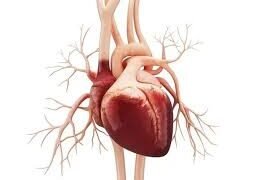





















Exercise training may improve heart health in people with diabetes, especially during the early stages of diabetic cardiomyopathy, but more research is needed to confirm its long-term benefits, according to a new review.
A new narrative review has highlighted the potential of regular exercise to help manage diabetic cardiomyopathy, a condition in which diabetes affects the structure and function of the heart muscle. The review brings together experimental and clinical research to explain how exercise may protect the heart and improve overall cardiovascular health.
Diabetic cardiomyopathy can cause changes in heart muscle metabolism, inflammation, fibrosis (scarring of heart tissue) and problems with calcium regulation. These changes can weaken the heart and affect its ability to pump blood effectively. Treatment options for reversing established heart damage remain limited.
Researchers found that exercise may help reduce some of these harmful changes. Experimental studies suggest that physical activity can improve mitochondrial function, help the heart use energy more efficiently and reduce oxidative stress and inflammation. It may also support better calcium regulation and reduce processes linked to heart cell damage.

Combined Exercise Shows Potential
Clinical research, mainly involving people with Type 2 diabetes and early signs of heart problems, suggests that combining aerobic activities with resistance training may offer several benefits.
These include improved physical fitness, insulin sensitivity, blood vessel function and certain measures of left ventricular performance. High-intensity interval training may also provide additional benefits for selected patients. However, exercise programmes should be tailored to individual health conditions and abilities.
More Research Needed
The review, which examines evidence from experimental and clinical studies, highlights important gaps in current research. Differences in exercise intensity, duration and programme design make it difficult to identify the most effective approach.
The authors recommend larger and better-designed clinical trials to determine the ideal exercise programmes and assess their long-term cardiovascular effects. Future studies should also monitor heart imaging results, fitness levels, blood sugar control, biomarkers and possible side effects.
Overall, the review suggests that exercise could become an important addition to the management of diabetic cardiomyopathy, particularly in its early stages. However, further evidence is needed before specific exercise programmes can be widely recommended.
For more health-related news