












India has recorded notable progress in women’s health, financial inclusion and digital empowerment, according to findings from the sixth round of the National Family Health Survey (NFHS-6). The latest data highlights significant gains in internet usage, access to banking services, mobile phone ownership and key health indicators among women, reflecting the impact of government programmes and broader socio-economic changes across the country.
One of the most striking findings relates to digital inclusion. The proportion of women who have used the internet at least once nearly doubled from 33.3 percent during 2019-21 to 64.3 percent in 2023-24. This sharp increase points to expanding access to digital technologies and greater participation of women in the digital economy. Personal mobile phone ownership among women also rose significantly, increasing from 53.9 percent to 63.6 percent during the same period. These trends indicate a narrowing digital gender gap and greater connectivity among women across urban and rural India.
Financial inclusion has also witnessed substantial improvement. According to the survey, 89 percent of women now have a bank or savings account that they use themselves, compared to 78.6 percent in the previous survey cycle. The increase reflects the growing reach of financial inclusion initiatives, digital banking services and direct benefit transfer programmes that have enabled more women to participate in formal financial systems.
The survey further highlights progress in women’s health and well-being. The use of hygienic menstrual protection methods among women aged 15 to 24 years increased from 77.6 percent to 79.2 percent. Improved awareness campaigns, wider availability of affordable sanitary products and targeted health interventions have contributed to better menstrual hygiene practices among young women.
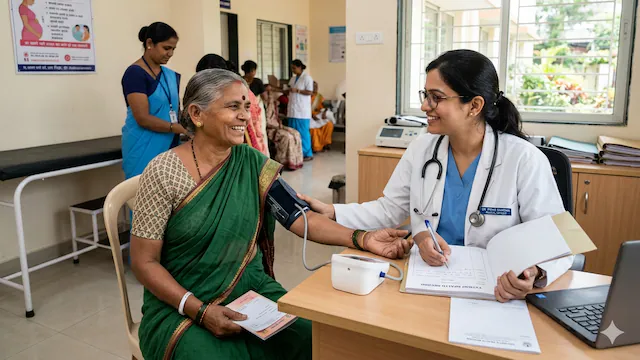
Maternal health indicators have also shown encouraging trends. The percentage of mothers receiving at least four antenatal care visits during pregnancy increased to 65.2 percent, while the proportion of women consuming iron and folic acid supplements for the recommended duration rose substantially. These improvements indicate stronger outreach of maternal healthcare services and greater awareness regarding prenatal health.
The NFHS-6 findings also reveal broader social progress. Child marriage rates have declined, fertility levels have stabilised at replacement levels, and access to health insurance coverage has expanded significantly. Improvements in vaccination coverage and institutional healthcare services further underline advances in public health delivery across the country.
Experts note that women’s health and economic participation are closely linked. Enhanced access to healthcare, digital tools and financial services can contribute to greater workforce participation, higher productivity and improved household well-being. Recent studies have also highlighted the economic benefits of closing gaps in women’s health and access to essential services, suggesting that investments in these areas can generate substantial social and economic returns.
Despite the positive trends, challenges remain. Digital access and internet usage continue to vary across regions, income groups and educational backgrounds. Women in rural and disadvantaged communities still face barriers related to affordability, digital literacy and access to technology. Similarly, concerns such as anaemia, non-communicable diseases and mental health require sustained policy attention.
Overall, the NFHS-6 data points to significant improvements in women’s health, digital inclusion and financial empowerment in India. The findings reflect steady progress toward greater gender equality and social development, while also highlighting the need for continued efforts to ensure that the benefits of growth and technology reach all sections of society.