




















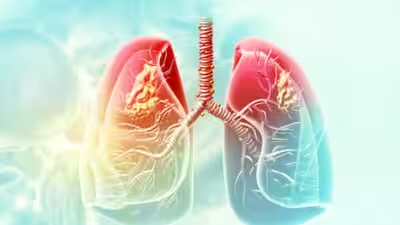
A recent study has found compelling evidence that prolonged exposure to air pollution significantly harms lung health, reinforcing concerns over the growing public health impact of poor air quality in Indian cities. The research, reported by The Times of India, shows that people living in highly polluted areas are more likely to experience reduced lung function and a higher incidence of respiratory illnesses than those exposed to cleaner air.
The study analysed respiratory health data from urban and suburban populations and found a consistent relationship between pollution levels and declining lung capacity. Individuals residing in areas with elevated concentrations of air pollutants were found to be at greater risk of developing chronic respiratory conditions such as asthma, bronchitis and other breathing disorders. Researchers observed that the adverse effects increase with prolonged exposure, indicating that long-term pollution poses a serious threat to respiratory health.
According to the researchers, fine particulate matter and other airborne pollutants can penetrate deep into the lungs, causing inflammation and damaging delicate lung tissues. Continuous exposure reduces the lungs’ ability to function efficiently, making individuals more susceptible to infections and chronic diseases. The findings also suggest that even people without pre-existing respiratory conditions may experience gradual deterioration in lung health if they remain exposed to polluted environments for extended periods.
The study highlights that children, older adults and people with existing respiratory or cardiovascular diseases are particularly vulnerable to the effects of air pollution. Developing lungs in children are especially sensitive to polluted air, while elderly individuals often have reduced physiological resilience, increasing their risk of serious health complications. Experts also warn that repeated exposure can worsen symptoms among patients already suffering from asthma or chronic obstructive pulmonary disease (COPD).
Researchers have urged policymakers to strengthen measures aimed at improving air quality through stricter emission standards, cleaner transportation systems and better industrial pollution control. They also emphasised the need for greater public awareness about the health risks associated with air pollution, encouraging individuals to monitor air quality, reduce outdoor exposure during periods of high pollution and adopt preventive measures whenever possible.
Medical experts say the findings add to the growing body of evidence linking environmental pollution to a wide range of respiratory diseases. They note that improving air quality is not only an environmental priority but also a critical public health intervention that could reduce healthcare costs and improve overall quality of life. Investments in clean energy, sustainable urban planning and effective pollution monitoring are considered essential to protecting the respiratory health of millions of people.
The study serves as another reminder that air pollution remains one of the leading environmental health challenges in India. Researchers believe coordinated action by governments, industries and citizens will be necessary to reduce pollution levels and safeguard lung health, particularly in rapidly urbanising regions where exposure to harmful pollutants continues to rise.