









- World Mosquito Day: Prevention, Early Diagnosis and Timely Treatment
World Mosquito Day highlights the need for prevention, early diagnosis and timely treatment of mosquito-borne diseases such as dengue and malaria.
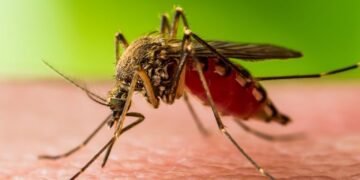
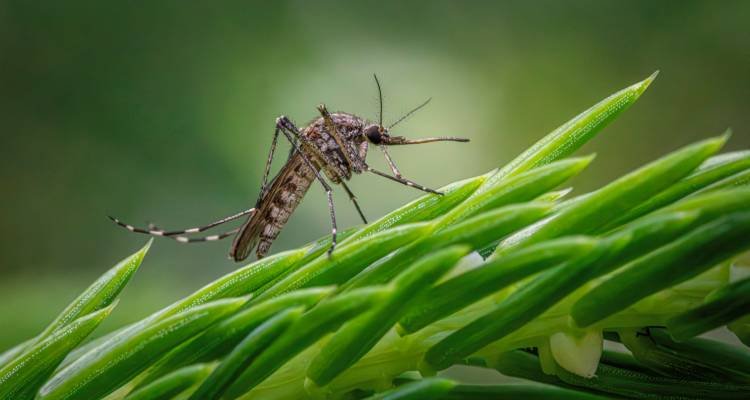
World Mosquito Day, observed every year on August 20, underscores the need to raise awareness about mosquito-borne diseases and the importance of prevention, early diagnosis and timely treatment. Diseases including dengue, malaria and chikungunya remain significant public health concerns, especially during the monsoon season.
The observance also highlights measures that can help limit the spread of mosquito-borne illnesses, such as preventing mosquito bites, eliminating breeding sites and identifying symptoms at an early stage. Since mosquitoes commonly breed in stagnant water, keeping surroundings clean and removing potential breeding sites are key preventive measures.
Factors such as urbanisation, climate change, poor sanitation, stagnant water and increased travel can affect mosquito habitats and contribute to the transmission of mosquito-borne diseases. These challenges highlight the need for continued preventive measures and greater awareness at both individual and community levels.
- Gaurav Verma Highlights Need for Awareness and Timely Testing
Sharing his views on World Mosquito Day, Gaurav Verma, Chief Business Officer at PharmEasy (API Holdings), said that mosquito-borne diseases such as dengue, malaria and chikungunya continue to remain a major public health concern, especially during the monsoon season.
He noted that these illnesses can be difficult to identify in their early stages because their initial symptoms often resemble those of a common viral fever. This can lead people to overlook the need for timely testing and medical consultation.
Verma said PharmEasy has been promoting a more informed approach to fever through its ‘You Think It’s Viral?’ campaign, which encourages people to look beyond assumptions and take persistent or high fever seriously. He emphasised that awareness, timely testing and appropriate medical guidance can help detect mosquito-borne infections early and reduce the risk of complications.
He added that as healthcare becomes increasingly technology-enabled, the role of platforms such as PharmEasy goes beyond providing access to medicines and diagnostic services. It also involves helping people make informed decisions about their health.

“Don’t dismiss a fever or rely on guesswork. Know the risks, recognise the symptoms, get the right diagnosis and take the right step at the right time,” Verma said.
- Community Efforts Key to Reducing Mosquito-Borne Disease Risk
The risk of mosquito-borne diseases may rise during the monsoon, when rainfall and stagnant water provide suitable conditions for mosquito breeding. Community-level measures, regular monitoring of potential breeding areas and timely preventive action can help minimise these risks.
Effective coordination between local civic authorities and health departments, along with active community participation, is also essential to identify and eliminate mosquito breeding sites and help curb the spread of mosquito-borne diseases.