















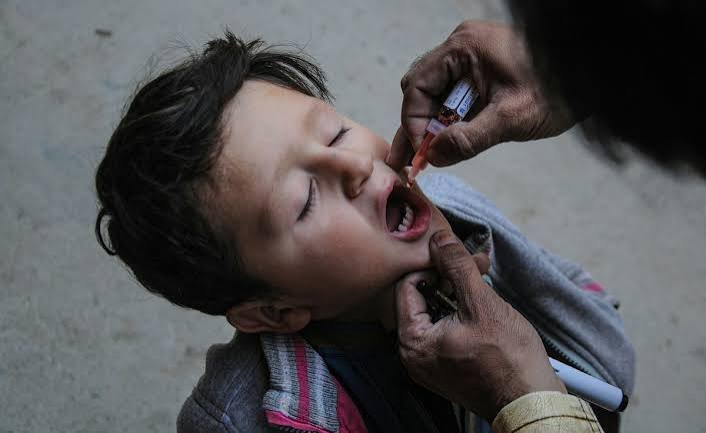
India’s success in eliminating polio has shown that strong government support, community participation and effective healthcare delivery can bring major changes to public health. The country must now use the lessons from its polio campaign to tackle challenges such as vaccine hesitancy, disease outbreaks and gaps in routine immunisation, according to Deepak Kapur, mentor, India National PolioPlus Advisory Council.
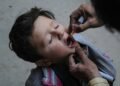
India recorded 741 polio cases in 2009, accounting for nearly half of the world’s total cases. However, through a nationwide vaccination drive involving government agencies, civil society organisations, healthcare workers and local communities, the country reported its last polio case in West Bengal in 2011. In March 2014, India was officially certified wild polio-free as part of the World Health Organization’s South-East Asia Region.
Kapur highlighted that the campaign’s success was not limited to vaccination. It also created a strong healthcare delivery system based on local planning, regular monitoring, doorstep outreach and public participation. Rotary members, frontline workers, volunteers and religious leaders played an important role in building trust among families and encouraging vaccination.

The systems developed during the polio campaign have also supported other health programmes. Between 2017 and March 2023, India vaccinated more than 348 million children under its measles-rubella campaign. Measles cases also declined by 62% between 2017 and 2021. Similarly, the experience gained through polio vaccination helped India manage its large-scale Covid-19 vaccination programme.
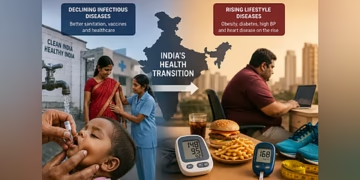
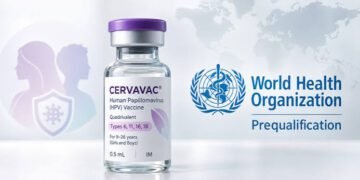
However, India continues to face challenges, including vaccine hesitancy, unequal access to healthcare, online misinformation and emerging disease outbreaks. Strengthening routine immunisation, expanding HPV vaccination, improving disease surveillance and preparing for future health emergencies are among the key priorities.
Kapur stressed that India must continue investing in frontline healthcare workers, local accountability, reliable data systems and community awareness. He also called for sustained political and financial support to maintain the country’s public health infrastructure.
India’s polio elimination journey has proved that large public health goals can be achieved through teamwork, public trust and consistent efforts. The same approach can now help the country build a stronger and more accessible healthcare system.
For more health-related news